
November 20, 2026
November 20, 2026
8.00 Min Read
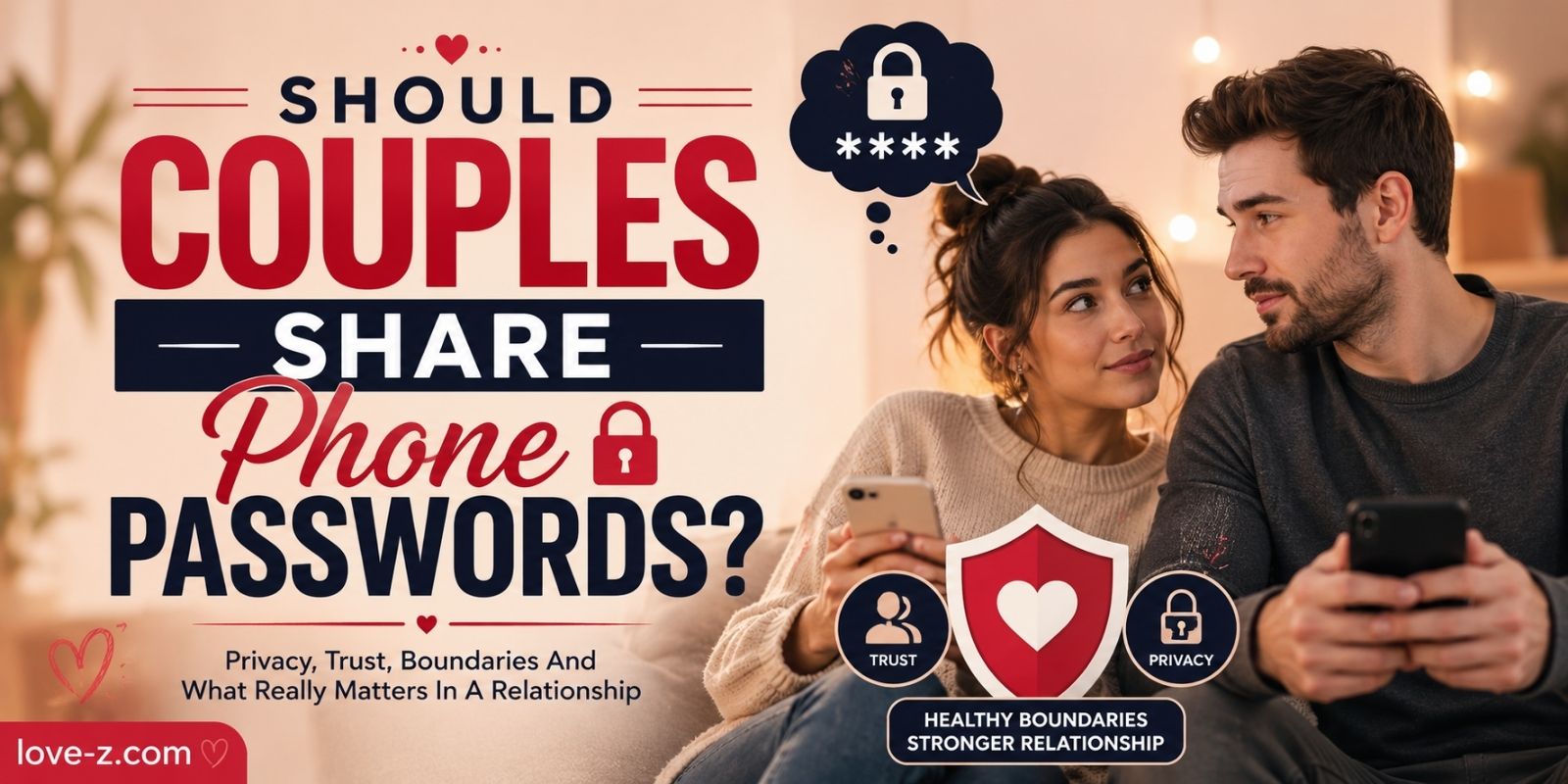
Should Couples Share Phone Passwords?
Phone passwords have become an unexpectedly emotional relationship topic. A four digit code can suddenly seem connected with loyalty, privacy, trust, and suspicion. One partner may see access as ordinary convenience. The other may feel that handing over a password gives away personal space. Neither preference automatically reveals how committed someone feels. The important question is what the request means inside that particular relationship.
Healthy couples can have very different phone arrangements and still feel secure together. Some know each other’s passwords but rarely touch the other person’s phone. Others keep every device private and never find that arrangement uncomfortable. Problems usually begin when access becomes a test of affection or innocence. A password works best as practical information, rather than evidence that somebody has nothing to hide.
Table Of Contents For Should Couples Share Phone Passwords?
- ① Why Phone Passwords Become A Relationship Question
- ② Trust And Privacy Can Exist In The Same Relationship
- ③ When Password Sharing Starts To Feel Uncomfortable
- ④ How Couples Can Set Fair Phone Boundaries
- ⑤ Choosing A Password Arrangement That Suits Both Partners
- ⑥ FAQs About Sharing Phone Passwords
Watch Should Couples Share Phone Passwords?
Why Phone Passwords Become A Relationship Question
A phone now holds far more than messages. It may contain banking apps, private photographs, work conversations, health information, notes, searches, and conversations with friends. Giving somebody a password can therefore feel more significant than lending them a physical object. Couples can also assign very different meanings to that access. One person may think sharing shows openness. Another may see private device access as a normal personal boundary. Neither position deserves automatic suspicion. The useful conversation begins with why each person wants their preferred arrangement.
Expectations can also come from previous relationships, family habits, and differences in digital routines. Someone who experienced dishonesty before may seek access for reassurance. Another person may have spent years treating phones as private spaces. Age differences can sometimes add another layer because partners may have developed different habits around devices and online communication. Those differences deserve conversation rather than assumptions, especially when dating someone younger than you brings different routines or expectations into the relationship.
I tend to think a boyfriend asking for my phone to order dinner feels completely different from asking to inspect my messages. The device hasn’t changed, but the purpose certainly has. Convenience feels cooperative because the access solves a shared problem. Inspection can feel loaded because it asks one partner to prove something. Couples can save themselves many awkward evenings by separating practical access from emotional reassurance. A password should never become a surprise relationship exam conducted beside the sofa.
Trust And Privacy Can Exist In The Same Relationship
Privacy does not automatically mean someone is hiding something. A partner may want personal space for messages, work emails, notes, or conversations with friends. Trust comes from honest communication and dependable behaviour rather than unlimited phone access. Different expectations can become noticeable when dating someone older than you, especially when each person has developed different digital habits.
Shared passwords can still work when both people feel comfortable with the arrangement. The important part is agreeing on what access includes. Knowing an unlock code does not automatically make private messages available for browsing. Friends and relatives may also share personal information expecting confidentiality. Couples can stay emotionally close while keeping reasonable digital boundaries.
When Password Sharing Starts To Feel Uncomfortable
Password sharing becomes concerning when access stops feeling voluntary. Repeated demands, surprise inspections, accusations, or pressure can turn a practical arrangement into surveillance. The same applies when one partner keeps checking messages despite finding nothing concerning. Constant checking rarely settles insecurity for very long. It can create another cycle instead. Anxiety leads to checking, temporary reassurance follows, then another doubt appears. Over time, both partners may start organising their behaviour around suspicion.
Pay attention to how disagreement is handled. A partner may feel disappointed when access is refused, but disappointment should not become punishment or intimidation. Silent treatment, repeated accusations, threats, or demands for immediate proof can signal a larger communication problem. Couples who keep reaching the same conflict may benefit from structured support, including couples communication workshops in Australia. Better communication can help partners express insecurity without turning a phone into an investigation tool.
Another warning sign appears when password access expands without agreement. Knowing an unlock code does not grant permission to inspect photos, emails, social accounts, location history, or private notes. Permission should remain specific to the situation. If somebody gave access during an emergency, that does not create permanent browsing rights. Healthy access has limits that both people can explain clearly. If one partner feels nervous about putting the phone down, the arrangement deserves another conversation.
How Couples Can Set Fair Phone Boundaries
Good phone boundaries start with a simple conversation about everyday access. Couples can decide when using each other’s phones feels comfortable and which areas stay personal. Clear permission removes much of the guesswork. It also prevents a shared unlock code from becoming automatic permission to browse everything. Each person should feel comfortable changing a boundary when circumstances or privacy needs change.
Digital openness should support closeness rather than become a way to supervise each other. Affection, shared experiences, honest conversations, and sexual connection offer healthier ways to feel connected. Couples looking for playful ways to strengthen intimacy may also find romantic couples sex toy ideas useful for starting conversations about shared pleasure. Phone rules work better when both partners feel trusted outside the screen too.
How Couples Can Set Fair Phone Boundaries
Good phone boundaries start with a simple conversation about everyday access. Couples can decide when using each other’s phones feels comfortable and which areas stay personal. Clear permission removes guesswork and keeps a shared unlock code from becoming unlimited access. Either partner should also feel comfortable asking for a boundary to change.
Digital openness should support closeness rather than become a way to supervise each other. Affection, shared experiences, honest conversations, and sexual connection can strengthen intimacy away from screens. Couples interested in adding more playfulness may find romantic couples sex toy ideas useful for starting conversations about shared pleasure and preferences.
Choosing A Password Arrangement That Suits Both Partners
The best arrangement is one both partners can accept without resentment. Some couples may share phone codes for emergencies and convenience while keeping messages private. Others may keep their codes completely separate. Another couple may use each other’s phones freely but avoid opening conversations without permission. The specific rule matters less than mutual agreement and consistent behaviour. A good arrangement should feel predictable, respectful, and easy to explain.
Before deciding, ask what problem password sharing is supposed to solve. Convenience may require simple access. Emergency planning may need another solution. Fear of cheating requires a deeper conversation about trust. Previous betrayal may need patience, reassurance, and clear expectations. Different problems deserve different responses. Giving full phone access to solve emotional insecurity can hide the original issue without resolving it. A stronger decision addresses the reason behind the request.
Couples should also feel free to revise their arrangement as circumstances change. A new job may create confidentiality requirements. Shared finances may introduce practical access needs. A previous breach of trust may require different conversations for a period. Changes work best when both partners agree before access changes. Password sharing should remain a choice rather than a relationship obligation. Trust is easier to protect when both people feel close without losing their personal agency.
Bring Trust And Intimacy Into The Same Conversation
Healthy relationships leave room for privacy while keeping intimacy open and comfortable. If shared pleasure is part of that connection, couples can choose a vibrator together and turn the choice into a relaxed conversation about preferences, boundaries, and what feels good for both partners.

FAQs About Sharing Phone Passwords
Is it suspicious if my partner will not share their phone password?
A private password does not automatically indicate secrecy. Consider their overall honesty, consistency, communication, and behaviour before treating one boundary as evidence of a problem.
Should my partner be allowed to check my messages if they feel insecure?
Reassurance can help, but routine message checks may strengthen insecurity. Talk about what triggered the concern and agree on boundaries that both partners can accept.
Can I change my password after previously sharing it with my partner?
You can change your device security when needed. Explain the change calmly if shared access was previously expected so the new boundary does not create avoidable confusion.
Does sharing a password give my partner permission to open every app?
Password access does not automatically include every app or conversation. Couples should agree on which areas remain private and which uses are comfortable for both people.
How can couples handle private messages from friends and family?
Treat other people’s conversations as confidential unless permission says otherwise. A shared device password should not remove the privacy that friends and relatives reasonably expect.