

Author: Trinity
-
How Soon Is Too Soon To Say I Love You? How To Know When It Feels Right
📅 Posted September 11, 2026 🔄 Updated September 11, 2026 ⏱️ Reading Time 7.00 Min Read 💡 Quick Answer Dating & Attraction There is no fixed number of weeks that makes saying I love you appropriate. It may feel too soon when attraction, fantasy, frequent texting, sex, or fear of losing someone drives the… Read More…
-
Why Do I Miss My Ex After Moving On? Better Ways To Handle Old Feelings
📅 Posted July 31, 2026 🔄 Updated July 31, 2026 ⏱️ Reading Time 7.00 Min Read 💡 Quick Answer Relationship & Intimacy You can miss your ex after moving on because emotional memory does not disappear when a relationship ends. Familiar routines, affection, loneliness, nostalgia, or a new dating experience can bring old feelings… Read More…
-
Decision Fatigue Dating: Slowing Down in a Swipe-Driven World
Decision Fatigue Dating: When Too Many Choices Feel Empty Decision fatigue dating isn’t about having too few options—it’s about having so many that your mind struggles to connect, evaluate, and stay emotionally present. This isn’t a lack of desire or effort—it’s often a sign of cognitive and emotional overload. When the brain is asked to… Read More…
-
The Truth About Emotional vs Physical Intimacy No One Talks About
Emotional vs Physical Intimacy: Learning to Feel Fully Seen Emotional vs physical intimacy is not about choosing one over the other—it’s about understanding how both work together to create a sense of safety, desire, and true connection. Rather than seeing these as opposing forces, it helps to understand them as different dimensions of connection. Emotional… Read More…
-
Losing Attraction After Intimacy: A Nervous System Perspective
Losing Attraction After Intimacy: What It Really Means Losing attraction after intimacy is often not about the other person—it’s about how your nervous system processes closeness, vulnerability, and emotional safety. Understanding this can shift confusion into clarity. Losing attraction after intimacy is one of those experiences that can feel quietly disorienting. You may have felt… Read More…
-
How to Understand the Psychology of Ghosting (And Heal)
Psychology of Ghosting: How to Cope and Move Forward The psychology of ghosting reveals that people often disappear due to avoidance, emotional discomfort, or attachment patterns—not because you are unworthy or did something wrong. Ghosting has become one of the most confusing and emotionally disorienting experiences in modern dating. One moment there’s connection, conversation, and… Read More…
-
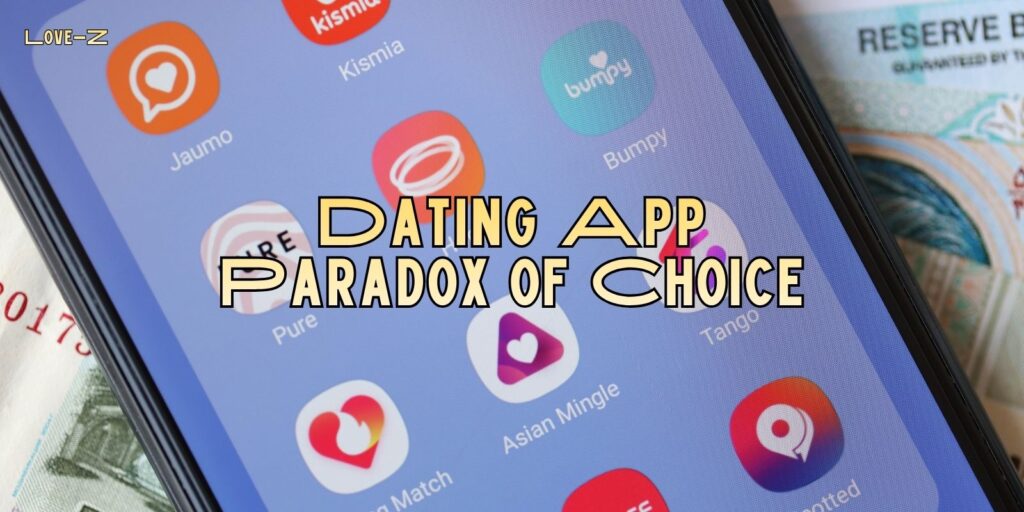
Dating App Paradox of Choice: Why More Options Make Love Harder
Dating App Paradox of Choice: Why Love Feels Harder The dating app paradox of choice explains why having endless matches can lead to decision fatigue, reduced satisfaction, and difficulty committing—making love feel harder instead of easier. Dating apps promised something simple: more options, more chances, and ultimately, more love. Yet for many people, the experience… Read More…
-
Dating Burnout Signs: How to Recognize and Recover
Dating Burnout Signs and How to Heal From Them Dating burnout signs include emotional exhaustion, reduced interest, and increased frustration in dating. Recognizing these signs early helps you pause, reset, and return to dating with healthier energy. Dating burnout signs often appear quietly at first—less excitement, more hesitation, and a growing sense of emotional fatigue.… Read More…
-
Self Validation Attraction: The Key to Authentic Confidence
Self Validation Attraction: Why Confidence Starts Internally Self validation attraction is the ability to generate confidence and self-worth internally rather than relying on external approval, leading to stronger emotional stability and natural attraction. Self-validation attraction is not about pretending to be confident or seeking admiration from others. It’s about developing an internal sense of worth… Read More…
-
Relational Leadership in Couples: Modern Love Dynamics
Relational Leadership in Couples: Lead Without Control Relational leadership in couples is the ability to guide emotional connection without control. It fosters trust, safety, and mutual influence by balancing direction with empathy and attunement. Relational leadership in couples is less about authority and more about emotional responsibility. It’s the subtle, often unspoken ability to guide… Read More…









- 1
- 2
Search the website
Blogs Categories
- Attraction Psychology (2)
- Erotic Stories (5)
- Guest Contributions (55)
- Intimacy & Connection (1)
- Relationship Psychology (10)
- Relationships (34)
- Relationships & Dating (7)
- Self Development (4)
Recent Posts