
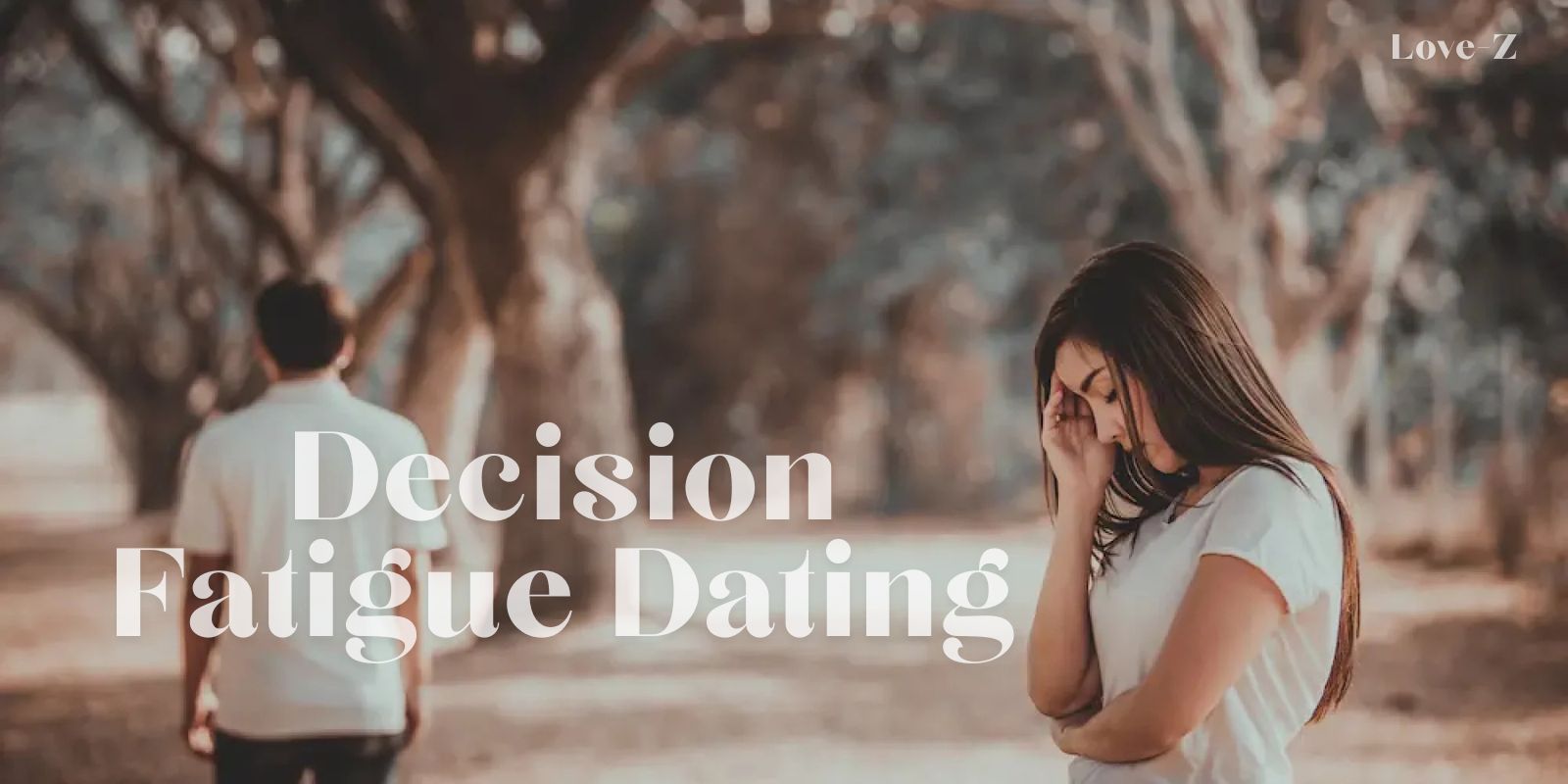
Decision Fatigue Dating: When Too Many Choices Feel Empty
Decision fatigue dating isn’t about having too few options—it’s about having so many that your mind struggles to connect, evaluate, and stay emotionally present.
This isn’t a lack of desire or effort—it’s often a sign of cognitive and emotional overload. When the brain is asked to make too many decisions repeatedly, it begins to conserve energy by disengaging. In dating, this can show up as confusion, avoidance, or a subtle sense that something meaningful is missing, even when everything looks right on the surface.
Decision fatigue dating is becoming an increasingly common experience in modern relationships. With endless profiles, options, and possibilities, what once felt exciting can slowly turn into something draining. You might find yourself swiping without intention, losing interest quickly, or feeling oddly disconnected even when there are plenty of potential matches available.
Table of Contents – Decision Fatigue Dating
- What Is Decision Fatigue Dating?
- Why Too Many Choices Feel Draining
- The Nervous System and Dating Overload
- Behavioral Patterns in Decision Fatigue
- The Dating App Paradox
- How It Affects Attraction and Connection
- How to Navigate Decision Fatigue Dating
- Decision Fatigue Dating
- Key Takeaways
- Frequently Asked Questions
What Is Decision Fatigue Dating?
Decision fatigue dating refers to the mental exhaustion that comes from making repeated romantic choices over time. Each swipe, message, and evaluation requires cognitive effort. While each decision may seem small, the accumulation can overwhelm the brain’s ability to process effectively.
In my studies, I’ve noticed that people often misinterpret this fatigue as boredom or lack of attraction. In reality, it’s a depletion of mental resources. When your brain becomes overloaded, it naturally begins to simplify or avoid decisions, which can look like disengagement in dating contexts.
This insight on how decision fatigue impacts dating explains how constant evaluation reduces emotional availability, making it harder to form genuine connections.
Why Too Many Choices Feel Draining
At first glance, having more options in dating seems like an advantage. However, the brain is not designed to handle unlimited choice without consequence. Each additional option increases comparison, doubt, and the pressure to make the “right” decision.
One pattern I’ve noticed is that people begin to second-guess even promising connections. The presence of alternatives creates a subtle tension, where committing to one option feels like losing out on others. This keeps the mind in a constant state of evaluation rather than connection.
Over time, this mental strain can lead to emotional numbness. Instead of feeling excited or curious, you may feel indifferent or detached. This is not a failure of desire—it’s a protective response to overload.
The Nervous System and Dating Overload
Your nervous system plays a key role in how decision fatigue dating is experienced. When overwhelmed, the system may shift into a state of low energy or avoidance. This is the body’s way of conserving resources and protecting itself from further stress.
In many cases, people assume they’ve lost interest in dating altogether. But what’s actually happening is a physiological response to overstimulation. The constant influx of choices keeps the system activated, making it difficult to settle into a calm, receptive state.
In my experience, when the nervous system feels safe and regulated, connection becomes easier. Without that sense of safety, even the best matches can feel uninteresting or overwhelming.
Behavioral Patterns in Decision Fatigue
Decision fatigue dating often shows up through subtle behavioral shifts. You might notice yourself scrolling without intention, losing interest quickly, or feeling unable to commit to even simple choices. These patterns are not random—they are signs of cognitive overload.
One pattern I’ve noticed is the tendency to chase novelty. When the brain is fatigued, it seeks quick stimulation rather than sustained engagement. This can lead to a cycle of short-lived interest followed by rapid disengagement.
Another common response is avoidance. Instead of actively choosing, you may delay decisions or withdraw from dating altogether. This is the mind’s way of reducing pressure, even if it creates confusion in the process.
The Dating App Paradox
Modern dating apps amplify decision fatigue by presenting an endless stream of options. While this creates opportunity, it also increases cognitive load. Each profile requires evaluation, comparison, and judgment, often within seconds.
This dynamic is closely related to what’s explored in the dating app paradox of choice, where having more options actually reduces satisfaction and clarity.
In my studies, I’ve seen that the constant availability of alternatives makes it harder to invest emotionally. The mind remains open to possibility but closed to commitment, creating a loop of shallow engagement.
This therapist perspective on decision fatigue in relationships highlights how this pattern can lead to burnout, even when the desire for connection is still present.
How It Affects Attraction and Connection
Decision fatigue dating doesn’t just impact your energy—it affects how you experience attraction. When the mind is overloaded, it becomes harder to feel genuine curiosity or excitement. Attraction requires presence, and presence is difficult when your attention is divided across many options.
One pattern I’ve noticed is that people begin to rely on surface-level criteria when fatigued. Instead of exploring deeper compatibility, decisions are made quickly and often dismissed just as fast. This prevents meaningful connection from developing.
Over time, this can create a sense that dating is unfulfilling or repetitive. In reality, the issue is not the people you’re meeting, but the mental state you’re bringing into those interactions.
How to Navigate Decision Fatigue Dating
Navigating decision fatigue dating starts with reducing cognitive load. This might mean limiting the number of conversations you engage in or taking breaks from apps to reset your mental state. Creating boundaries around your dating process can restore clarity and focus.
In my experience, slowing down is one of the most effective strategies. When you give yourself space to process each interaction, you allow genuine interest to emerge. This shifts dating from a task into an experience.
Understanding your own tendencies can also help. Exploring your dating personality type can provide insight into how you make decisions and where you might feel overwhelmed.
If you’re already feeling exhausted, recognizing the signs is important. This guide on dating burnout signs can help you identify when it’s time to step back and recalibrate.
Decision Fatigue Dating
Decision fatigue dating is not a sign that something is wrong with you—it’s a reflection of how modern dating environments interact with the human mind. When you are constantly choosing, comparing, and evaluating, it becomes harder to feel connected and present.
The shift begins when you move from endless options to intentional engagement. By creating space, reducing overload, and focusing on meaningful interaction, dating can become less exhausting and more fulfilling.
Instead of chasing more choices, you begin to value deeper connection. That’s where clarity, energy, and genuine attraction tend to return.
Key Takeaways
- Decision fatigue dating comes from repeated choices that exhaust mental energy.
- Too many options increase doubt, comparison, and emotional detachment.
- The nervous system may respond to overload by disengaging or avoiding decisions.
- Modern dating apps amplify cognitive load and reduce emotional presence.
- Slowing down and limiting choices can restore clarity and connection.
Frequently Asked Questions – Decision Fatigue Dating
What is decision fatigue in dating?
It is the mental exhaustion caused by making too many romantic decisions over time, leading to reduced clarity and engagement.
Why does dating feel so exhausting?
Constant choices, comparisons, and evaluations can overload the brain, making dating feel draining rather than enjoyable.
Can decision fatigue affect attraction?
Yes, it can reduce emotional presence, making it harder to feel genuine interest or connection.
How do I deal with decision fatigue in dating?
Limit choices, take breaks, and focus on meaningful interactions rather than constant evaluation.
Is decision fatigue dating common?
Yes, especially in modern dating environments with endless options and app-based interactions.